
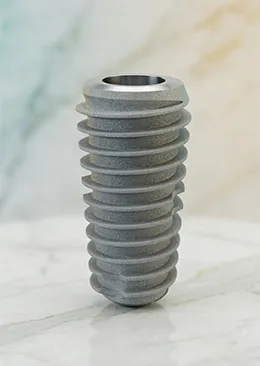
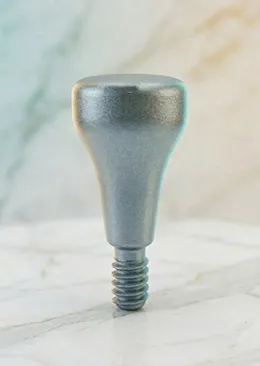
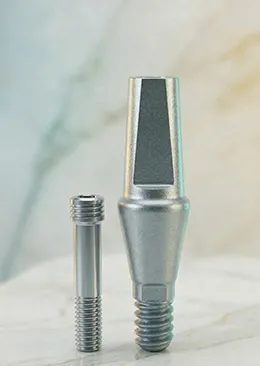
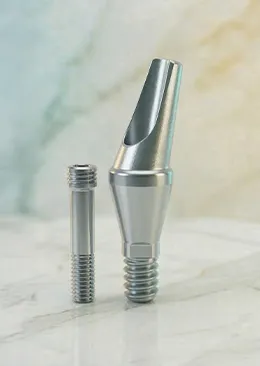
Digital + Lab Analog
- Home
- Digital + Lab Analog

Digital + Lab Analog
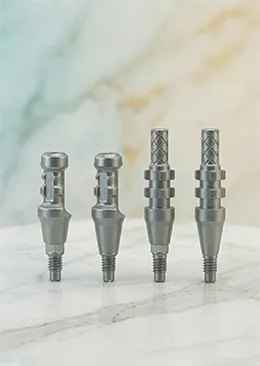
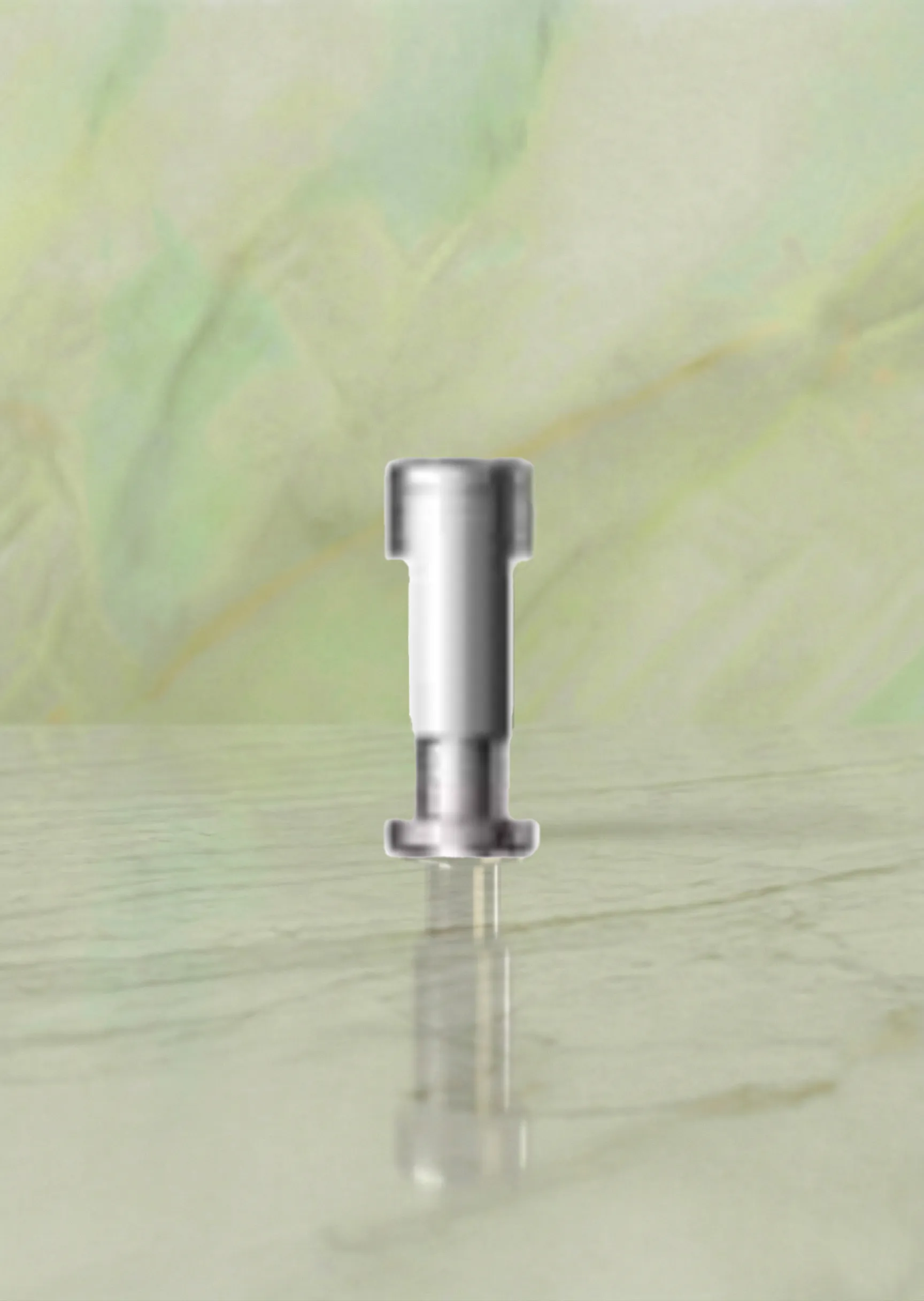
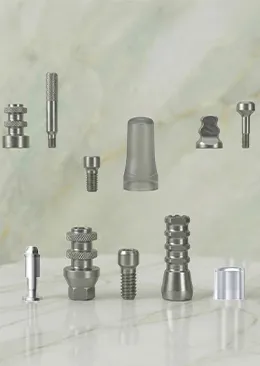
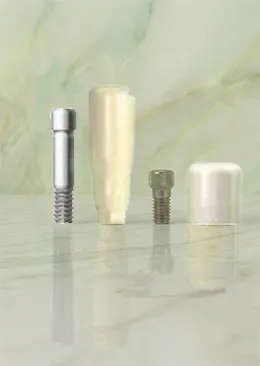
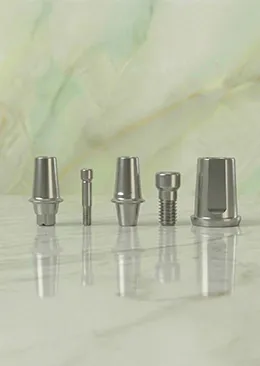
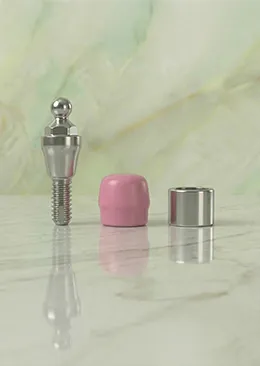
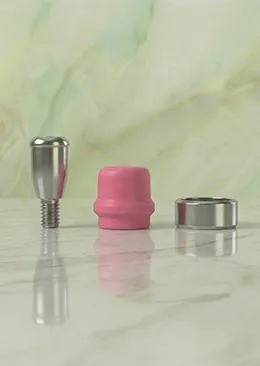
The Lab Analog is a physical replica of the implant inside the mouth. It is placed within the plaster model prepared by the dental technician, providing an exact simulation of the implant in a laboratory setting to ensure error-free production of the prosthesis on this model.
Perfect Replication:
Accurately reflects the internal structure and connection features of the implant body (fixture) on the model.
Compact Design
Offers high precision in laboratory procedures with its "Small Type" design, which facilitates working on the model.
Why Matthias Lab Analog?
Main Reasons
- Precise Connection Fit: Perfectly mimics the conical and "Morse Taper" connection features of Matthias implants on the model, ensuring the prosthetic tooth fits perfectly in the mouth.
- Error-Free Workflow: Closes the technical gap between surgery and the laboratory stage by transferring data from the impression components (Impression Coping) to the model without any loss.
- Long-Lasting Model Stability: Designed to remain immobile within the plaster model, allowing the technician to work confidently while preparing porcelain or zirconium teeth.
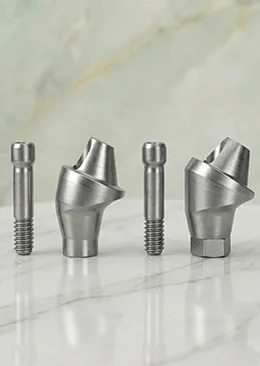
- System Integrity: Fully compatible with all Matthias components (screws, abutments, etc.), eliminating the risk of using the wrong part in the laboratory environment.
Everything You Need to Know
Frequently Asked Questions
What is the connection advantage of the Matthias implant system?
Provides bacterial sealing thanks to the 11-degree Morse Taper connection and completely prevents abutment micro-movements.
How does the implant surface structure affect osseointegration?
Special thread design and "Surface Increaser" technology increase the bone contact surface, accelerating the healing process and maximizing primary stability.
Should different prosthetic parts be used for all diameters?
No. Our system is clinician-friendly; all implant diameters have a single standard connection type, which simplifies stock management and the application process.
What safety does the Atraumatic Apex design provide in surgery?
The spherical tip structure of the implant minimizes the risk of damaging critical anatomical structures such as the sinus floor or nerve channels during placement.
Is it compatible with digital workflow (CAD/CAM)?
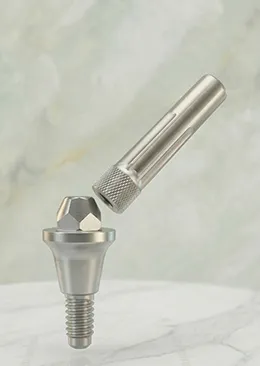
Yes. With our Scan Body and Ti-Base options, we support a full digital workflow, providing high-precision restoration opportunities.